Michael Vick (apparently nicknamed "Ookie") was indicted today.
You know, I have sort of been following this over the last several months and wondering how it would play itself out.
I have mixed feelings but let me preface my remarks with a prison story.
Eli was one of my roommates for a few weeks. A black guy down for a long time on drug charges, he did a lot of reading and writing. I liked him.
Turns out he also used to own 13 (?) pit bulls that he lost upon his arrest. He used them for dog fighting. Having no experience with this subject, I peppered him with questions (probably more than he was comfortable with). I was fascinated.
Based on my conversation with him, I concluded that
1. Dog fight owners love their dogs... they would not intentionally allow them to be hurt. (Certainly true of Eli.)
2. The losing dog surrenders, he is not killed. Most dog fighting is a war of attrition and endurance. It is the responsibility of the owner to pull his dog away (kind of like a boxer's manager throwing in the towel) once he realizes his dog has lost.
When I read about dog fighting in the United States on Wikipedia, I read a different story, one that is much darker and vicious.
I don't know what to believe.
I understand that this is a sub-culture activity, especially among gangs and black males. It is also associated with other criminal activity including, of course, gambling. I never met a black guy in prison who claimed to own a poodle or chihuahua. It was always pit bulls, dobermans, and rottweilers.
I didn't know this but:
"In May 2007, a new federal law went into effect making interstate dog fighting activities felonious and providing for imprisonment and imposition of large fines. The Animal Fighting Prohibition Enforcement Act, a new federal law, was enacted by the U.S. Congress earlier in 2007 and signed by President George W. Bush on May 3, making organizing a dog fight a felony. The law provides a penalty of up to three years of imprisonment and up to a $250,000 fine for each offense of interstate or foreign transport of animals for fighting purposes. Using the provisions of the new law, which took effect immediately, the Office of the Inspector General (OIG) of the U.S. Department of Agriculture (USDA) is pursuing cases in a number of locations around the country with considerable support from humane societies and local police departments." [Wikipedia]
See also this ESPN story on the subject:
"Is dogfighting a serious crime? If Vick was involved in it, what can happen to him? "
"Until last month, a federal dogfighting charge was a misdemeanor and likely would result in probation and a fine. Now, though, the recently strengthened federal law provides draconian penalties for people involved in dogfighting. There's a jail term of three years, and there's a fine of $250,000. And if that isn't enough, those penalties are per dog. Remember, the police confiscated 66 dogs in the raid on Vick's property. These laws are the result of powerful lobbying by the Humane Society of the United States and other animal protections groups. Their lobby is as powerful as the gun lobby. "
"Is dogfighting illegal everywhere? "
"Yes. It's a felony in 48 states and a misdemeanor in Wyoming and Idaho. But the new federal law trumps state laws. If you're involved in dogfighting, you now face the prospect of a federal prosecution with agents of the USDA, FBI and IRS coming after you. "
Sigh. Yikes. Another federal law. Can't they just leave these things to the states? Look, I am not a big fan of this kind of stuff. I understand the opposition to dog fighting. But, please, a little perspective is in order. Are we really prepared to turn these people into federal felons and send them to prison? For dog fighting?
The indictment is pretty detailed. If the facts are correct, there are some pretty cruel acts Vick was directly involved in. They are also pretty ancient for the most part and I'm a little confused as to how the new law applies to the old conduct or if he is being charged under an old law. He is charged with "Conspiracy to Travel in Interstate Commerce in Aid of Unlawful Activities and to Sponsor a Dog in and Animal Fighting Venture." The "conspiracy" part means he is just as guilty of a particular act that is part of the enterprise he assisted in even if he did not commit the act itself. In other words, if a codefendant killed a dog, whether Vick was directly involved or not, he is equally guilty because he furthered the overall illegal enterprise.
I hope he is innocent. Actually, I just hope he wasn't as cruel as the indictment indicates. I don't care about the dog fighting per se. I do care if he killed the dogs for being "weak."
Fortunately, he won't need a public defender. Unfortunately, I'm not sure his co-defendants can say the same thing. Don't expect the case to go to trial. Vick will plead. I have no idea what kind of time he is facing.
Tuesday, July 17, 2007


Charges dismissed against KPMG defendants
There was a news story today that most people probably glossed over but is very significant in defining individual rights against the overwhelming power of the federal government in prosecuting white collar crimes.
I will try to summarize the basic details without getting bogged down. A summary of the case can be found on Wikipedia at http://en.wikipedia.org/wiki/KPMG_tax_shelter_fraud, but it doesn't include the latest details.
Basically, in 2003, KPMG, one of the largest accounting firms in the country, was accused by the Department of Justice of fraud in marketing abusive tax shelters. I believe this is the largest tax shelter investigation in history.
I want to begin by saying I have no idea whether the defendants are guilty or not. To be honest, I don't care. What I care about is that they have a fair opportunity to defend themselves.
In order for a corporation to avoid a federal indictment (which is basically a death sentence for any company), it must be deemed "cooperative" with the federal government in its investigation. Any public corporation in its right mind will cooperate. .
Thus, "under an agreement, KPMG LLP admitted criminal wrongdoing in creating fraudulent tax shelters to help wealthy clients dodge $2.5 billion in taxes and agreed to pay $456 million in penalties. KPMG LLP will not face criminal prosecution as long as it complies with the terms of its agreement with the government. On January 3, 2007, the criminal conspiracy charges against KPMG were dropped. However, Federal Attorney Michael J. Garcia stated that the charges could be reinstated if KPMG does not continue to submit to continued monitorship through September 2008" [quoted from Wikipedia]
Please understand that KPMG had no choice. They are a public company; their obligation is to their stockholders, not their employees. I don't believe for one second that KPMG honestly believed they were doing anything illegal. I think the government pointed a gun at their head and said "Confess and cooperate, or we pull the trigger." [Arthur Anderson was convicted in conduct related to the Enron scandal and was bankrupted, costing 28,000 people their jobs. Its later vindication by a unanimous Supreme Court was like an executed criminal being exonerated by DNA evidence.... just a little too late.]
What are the terms of cooperation? Well, KMPG was told it would be considered "uncooperative" if it paid the legal fees for its employees, who had been indicted. For KPMG, it was standard policy, as it is for many companies, to pay the defense costs of partners who are indicted for work performed in the course of the firm's business. The government's position is that this policy constituted a "lack of cooperation." According to the government, the indicted employees must pay their own legal fees, likely to be in the millions of dollars. To quote Johnny Cochran, "defendants are not innocent until proven guilty, they are innocent until proven broke." When the government has virtually unlimited resources to prosecute a case, a potentially innocent defendant has almost no chance unless he has the same resources to present his side of the story. Fortunately, a very brave federal judge saw it the same way.
"On 27 June 2006, U.S. District Judge Lewis Kaplan of the United States District Court in Manhattan ruled that by threatening KPMG with indictment unless the firm reneged on its policy of paying the defense costs of partners who were indicted for work performed in the course of the firm's tax shelter business, the Department of Justice violated the constitutional rights of employees. In his opinion, Judge Kaplan agreed with the defendants' contention that KPMG was improperly pressured to pay their legal expenses, 'because the government held the proverbial gun to its head'." [Wikipedia]
The government appealed (naturally).
This is kind of complicated, but basically the judge tried to create a remedy in which the defendants could sue KPMG to have their legal fees paid and allow the government's case to go on. In May, the appeals court ruled that he did not have the authority to create a parallel civil proceeding, basically daring the judge to either dismiss the case or reverse his earlier ruling. To quote Bloomberg:
"The judge said last year that the violations might be remedied if the executives could force KPMG to resume paying, and he ordered the company to stand trial on the matter of whether it owed legal fees. KPMG appealed. In May, a New York- based appeals court said Kaplan lacked the authority to force such a trial. "
The government then asked the judge, effectively, to dismiss the case. This might seem odd, but it is actually very clever. If the judge had allowed the case to go forward, then the government was concerned it might lose the case with this judge. They wanted to appeal the original ruling. The only way to do that was to have the judge impose the most dramatic remedy -- dismissal of all charges. Then the government could appeal the basis for the dismissal. Obviously the government would like to restore their original policy of punishing companies who paid their employees legal fees.
Well, the judge has done just that and dismissed the charge. Now the government will appeal and who knows what the appeals court will decide. This is very high stakes poker.
I understand that few of you will find yourself in this situation, and you may not have much sympathy for corporate "criminals," but surely you believe that every defendant should be able to defend himself on an even playing field.
It is agonizing that I can't give this issue the full treatment it deserves, but I hope you will check out the links I have provided as well as do more internet research to realize how unfair the government has been in this case. You have no idea what these employees have been through in the last 4 years. I know what my trivial case was like and I know what a few other guys have been through so I can't help but be empathetic.
I will try to summarize the basic details without getting bogged down. A summary of the case can be found on Wikipedia at http://en.wikipedia.org/wiki/KPMG_tax_shelter_fraud, but it doesn't include the latest details.
Basically, in 2003, KPMG, one of the largest accounting firms in the country, was accused by the Department of Justice of fraud in marketing abusive tax shelters. I believe this is the largest tax shelter investigation in history.
I want to begin by saying I have no idea whether the defendants are guilty or not. To be honest, I don't care. What I care about is that they have a fair opportunity to defend themselves.
In order for a corporation to avoid a federal indictment (which is basically a death sentence for any company), it must be deemed "cooperative" with the federal government in its investigation. Any public corporation in its right mind will cooperate. .
Thus, "under an agreement, KPMG LLP admitted criminal wrongdoing in creating fraudulent tax shelters to help wealthy clients dodge $2.5 billion in taxes and agreed to pay $456 million in penalties. KPMG LLP will not face criminal prosecution as long as it complies with the terms of its agreement with the government. On January 3, 2007, the criminal conspiracy charges against KPMG were dropped. However, Federal Attorney Michael J. Garcia stated that the charges could be reinstated if KPMG does not continue to submit to continued monitorship through September 2008" [quoted from Wikipedia]
Please understand that KPMG had no choice. They are a public company; their obligation is to their stockholders, not their employees. I don't believe for one second that KPMG honestly believed they were doing anything illegal. I think the government pointed a gun at their head and said "Confess and cooperate, or we pull the trigger." [Arthur Anderson was convicted in conduct related to the Enron scandal and was bankrupted, costing 28,000 people their jobs. Its later vindication by a unanimous Supreme Court was like an executed criminal being exonerated by DNA evidence.... just a little too late.]
What are the terms of cooperation? Well, KMPG was told it would be considered "uncooperative" if it paid the legal fees for its employees, who had been indicted. For KPMG, it was standard policy, as it is for many companies, to pay the defense costs of partners who are indicted for work performed in the course of the firm's business. The government's position is that this policy constituted a "lack of cooperation." According to the government, the indicted employees must pay their own legal fees, likely to be in the millions of dollars. To quote Johnny Cochran, "defendants are not innocent until proven guilty, they are innocent until proven broke." When the government has virtually unlimited resources to prosecute a case, a potentially innocent defendant has almost no chance unless he has the same resources to present his side of the story. Fortunately, a very brave federal judge saw it the same way.
"On 27 June 2006, U.S. District Judge Lewis Kaplan of the United States District Court in Manhattan ruled that by threatening KPMG with indictment unless the firm reneged on its policy of paying the defense costs of partners who were indicted for work performed in the course of the firm's tax shelter business, the Department of Justice violated the constitutional rights of employees. In his opinion, Judge Kaplan agreed with the defendants' contention that KPMG was improperly pressured to pay their legal expenses, 'because the government held the proverbial gun to its head'." [Wikipedia]
The government appealed (naturally).
This is kind of complicated, but basically the judge tried to create a remedy in which the defendants could sue KPMG to have their legal fees paid and allow the government's case to go on. In May, the appeals court ruled that he did not have the authority to create a parallel civil proceeding, basically daring the judge to either dismiss the case or reverse his earlier ruling. To quote Bloomberg:
"The judge said last year that the violations might be remedied if the executives could force KPMG to resume paying, and he ordered the company to stand trial on the matter of whether it owed legal fees. KPMG appealed. In May, a New York- based appeals court said Kaplan lacked the authority to force such a trial. "
The government then asked the judge, effectively, to dismiss the case. This might seem odd, but it is actually very clever. If the judge had allowed the case to go forward, then the government was concerned it might lose the case with this judge. They wanted to appeal the original ruling. The only way to do that was to have the judge impose the most dramatic remedy -- dismissal of all charges. Then the government could appeal the basis for the dismissal. Obviously the government would like to restore their original policy of punishing companies who paid their employees legal fees.
Well, the judge has done just that and dismissed the charge. Now the government will appeal and who knows what the appeals court will decide. This is very high stakes poker.
I understand that few of you will find yourself in this situation, and you may not have much sympathy for corporate "criminals," but surely you believe that every defendant should be able to defend himself on an even playing field.
It is agonizing that I can't give this issue the full treatment it deserves, but I hope you will check out the links I have provided as well as do more internet research to realize how unfair the government has been in this case. You have no idea what these employees have been through in the last 4 years. I know what my trivial case was like and I know what a few other guys have been through so I can't help but be empathetic.
Too Much News
Wow, where do I begin. Way too much information today. This will be a slight digression from the normal stuff I write, but hopefully you will find it informative.
1. Charges dismissed against 13 KPMG defendants
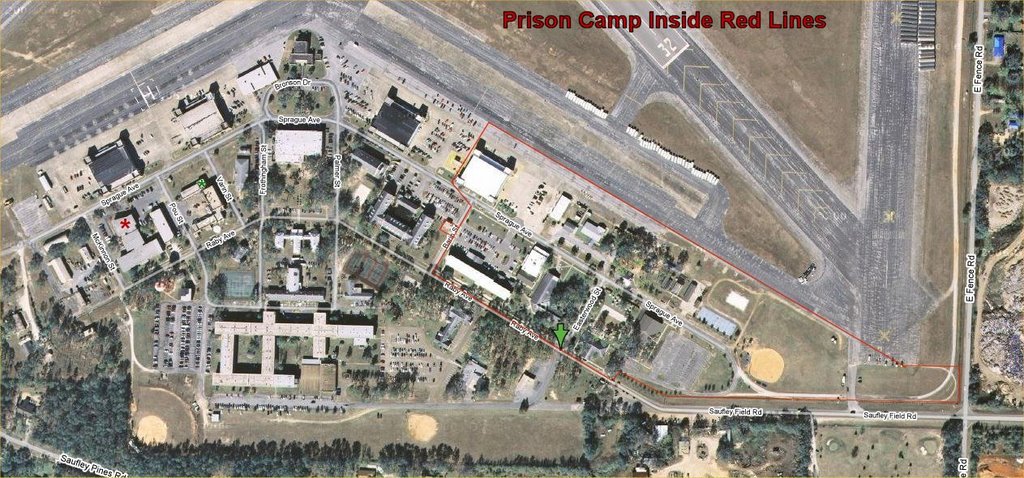
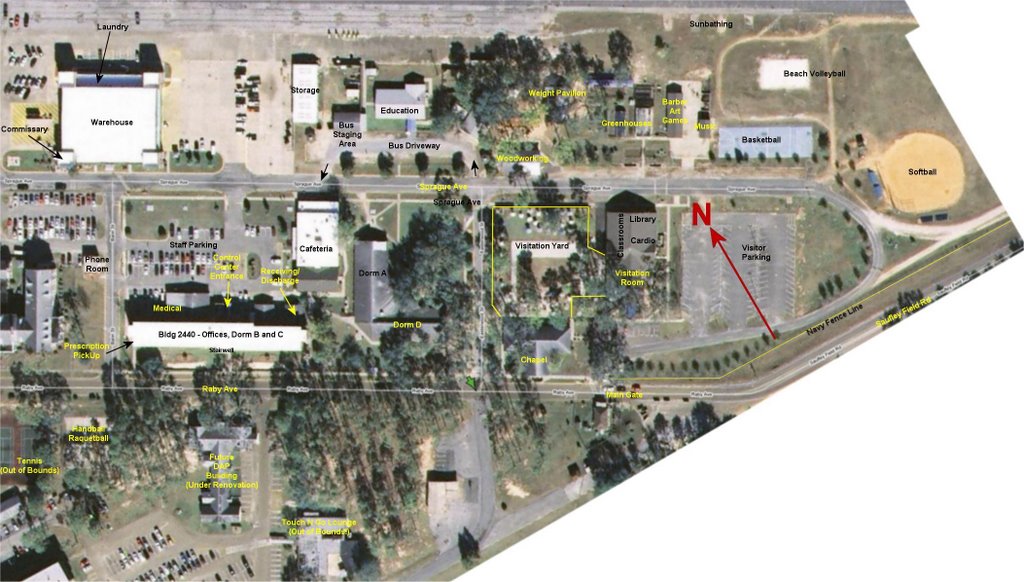
2. Four individuals charged with providing contraband to federal inmates at Pensacola Federal Prison Camp
3. Michael Vick indicted on charges of dog fighting
I do not have any inside knowledge about any of these cases but I have some insights (I hope) that may be interesting to the unitiated. I will follow with a separate article on each.
1. Charges dismissed against 13 KPMG defendants
2. Four individuals charged with providing contraband to federal inmates at Pensacola Federal Prison Camp
3. Michael Vick indicted on charges of dog fighting
I do not have any inside knowledge about any of these cases but I have some insights (I hope) that may be interesting to the unitiated. I will follow with a separate article on each.
Subscribe to:
Posts (Atom)